
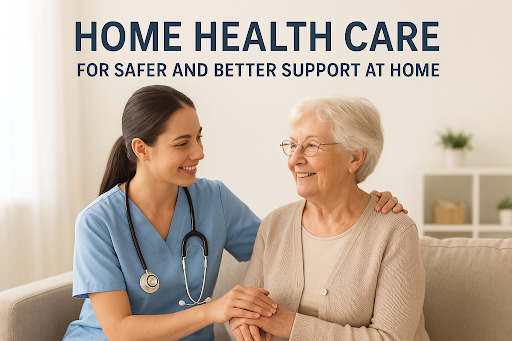
Home is the place where people feel safe and relaxed. When someone is sick or recovering or too weak to manage daily tasks home becomes even more important. This is the reason many families today choose home health care. It brings professional support comfort and confidence directly to the door.
Many people need skilled help. Some need the care of a cardiac care nurse. Others need help for elderly living alone. Many families also want to understand the real role of a home health nurse and how this support can improve life every single day. This detailed guide explains the top advantages of home health care and why it is now one of the most trusted ways to support seniors and patients.
What is Home Health Care Means?
Home health care is a service that brings medical care personal support therapy and daily living assistance to the home of the patient. It includes skilled nursing care wound dressings medication support therapy sessions and emotional care. The goal is simple. Keep the patient safe and comfortable at home and help them recover faster with personal attention.
Main Advantages of Home Health Care
Personal Attention Based on Real Needs
Home health care offers one of the most important benefits. It gives full attention to one person at a time. Hospitals follow fixed rules. Nursing facilities follow set routines. But at home the care plan is built fully around the life of the patient. A cardiac care nurse can visit daily or several times a week and guide the patient with heart safe routines. A nurse can check vitals teach safe exercise and adjust care based on small changes. This level of attention is hard to get in busy medical centers. Personal care also includes support with bathing dressing meals and mobility. This helps patients feel safe confident and respected.
Faster Healing in a Familiar Space
Healing becomes easier when a person stays in a calm and familiar place. Home offers emotional safety and reduces fear. The patient can sleep better and stay close to family. They can recover in their own bed and follow their own routine.
For seniors this is very important. Help for elderly living alone brings comfort and confidence. They feel in control of their life. They remain connected to their home memories and daily habits. All this supports stronger mental health which plays a big role in physical healing.
Lower Risk of Infections
Hospitals are full of medical cases. This increases the risk of infections. For seniors and patients with heart or lung issues this risk can be dangerous. Home health care reduces this risk in a natural way. The patient stays away from crowded places. A home health nurse follows clean care routines and watches for early signs of trouble. This keeps the patient safe and avoids serious complications.
Better Cost Control for Families
Many people think home care is costly. In reality it is often more affordable than long term stays in a hospital or a care facility. There are no room charges. No costly facility rules. No long travel. The family can select the exact services needed. Some patients only need weekly visits. Some need daily care. Some need overnight support. Home care plans adjust to budget and need. A cardiac care nurse can also prevent emergency events. This means fewer hospital visits and fewer sudden medical bills.
Support for Independent Living
Most seniors want to stay at home as long as possible. They want freedom and respect. Home health care supports this desire. Seniors can stay in their own rooms use their own kitchen and enjoy their personal space. They get help for elderly living alone without losing independence. Caregivers guide them with meals safety tasks and medication reminders. This support protects dignity and helps seniors live with pride and purpose.
Stronger Emotional Support
Human connection matters. Many seniors feel lonely. Some live far from family. Some have lost friends over time. Loneliness can cause stress sadness and even memory issues.
Home health workers provide warm daily interaction. They talk share stories guide activities and support emotional health. This improves mood energy and overall well being.
Skilled Medical Care at Home
The role of a home health nurse is wide and powerful. Nurses offer medical care and also act as educators and protectors. They monitor blood pressure wound healing and medication timing. They guide the family about safe food routines safe mobility and emergency steps.
A cardiac care nurse has deeper training for heart conditions. They watch for early changes and help the patient understand safe activity levels. They become a trusted source of strength and comfort.
Support for Chronic Conditions
Patients with heart issues diabetes lung problems or memory loss need constant attention. Home health care helps them avoid repeated hospital visits.
Nurses check symptoms regularly. They guide therapy exercises and keep track of nutrition plans. They also teach families how to support the patient correctly. This leads to better stability and less stress.
Less Stress for Family Members
Family caregivers often feel tired and worried. They want to help but they also fear mistakes. Home care gives families peace of mind. They know the patient is safe and watched by skilled professionals.
They can spend time with their loved one without stress. They can focus on emotional connection instead of full medical responsibility.
Better Coordination With Doctors
A home health nurse stays in regular contact with the doctor. They give updates share reports and request changes when needed. This leads to smooth care and fast adjustments.
Families understand the treatment plan clearly. They know what is safe and what to avoid. Good communication leads to better long term results.
Therapy and Rehabilitation at Home
Therapists can visit the home for physical therapy speech therapy or occupational therapy. This avoids travel stress for patients who are weak or recovering.
Therapy in a home setting helps the patient follow exercises consistently. They feel relaxed and confident. Therapists also study the home and suggest safety improvements such as safe chairs better lighting and support tools.
Improved Quality of Life
The true power of home health care is in the overall quality of life it gives. Patients feel seen heard and supported. They feel less afraid of medical tasks. They stay connected to family and to their daily comfort.
Seniors who receive help for elderly living alone often show better mood and more interest in life. Patients recovering from surgery heal faster when they feel calm and understood.
This makes home health care one of the most meaningful forms of support available today.
The Role of a Home Health Nurse
A home health nurse is both a medical professional and a wellness guide. Their role includes
- Checking vitals
- Giving medication
- Changing dressings
- Teaching safe movement
- Guiding healthy eating
- Communicating with doctors
- Supporting emotional needs
When the patient has a heart condition the presence of a cardiac care nurse becomes even more valuable. Such a nurse understands heart safety and helps the patient avoid any risk. They bring advanced skill right into the home.
Is Home Health Care a Good Choice for Your Loved One
Home health care fits people who want comfort and safety at home. It helps seniors who wish to age in place. It is perfect for recovery after surgery. It supports heart patients stroke patients and people with long term health issues.
Families who need help for elderly living alone find strong comfort in this service. They can trust that their loved one is safe and respected.