
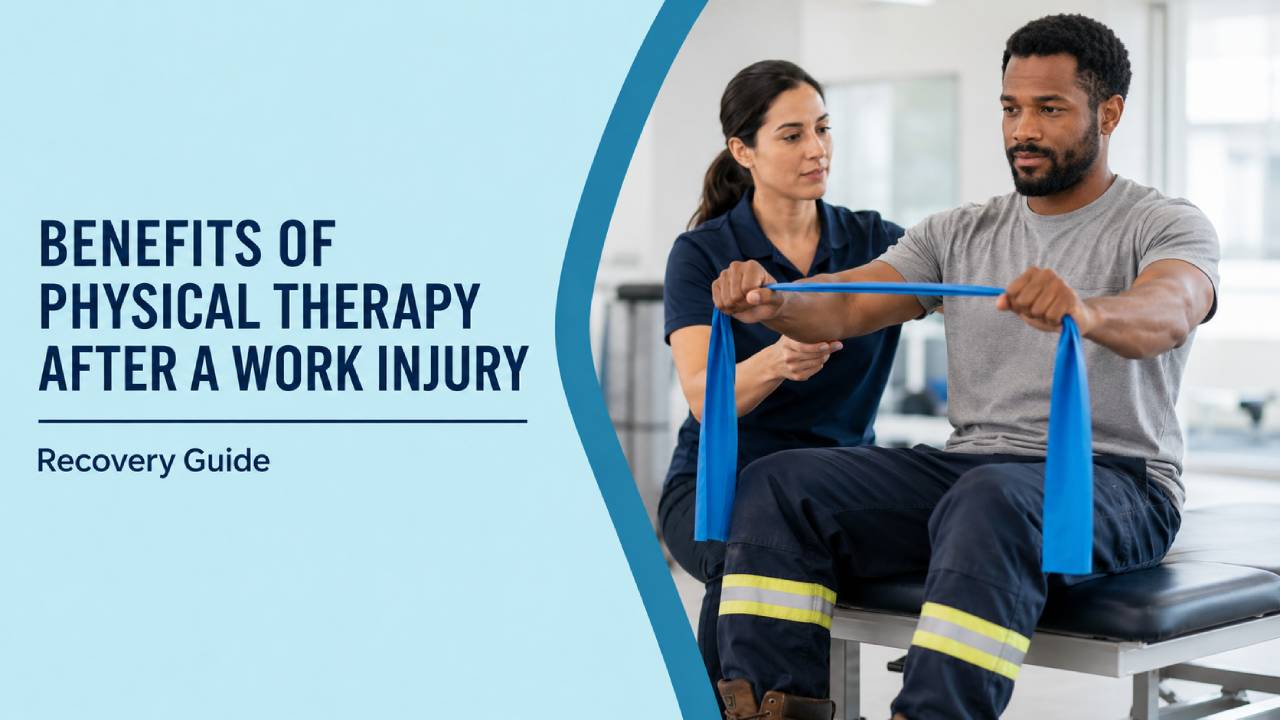
A workplace injury can change your daily life overnight. One minute you’re lifting a box or walking across a wet floor, and the next, you’re dealing with pain, limited mobility, and worry about your job. The benefits of physical therapy go far beyond simple pain relief. With skilled in-home therapy support, injured workers can heal safely, rebuild strength, and return to their normal routine with confidence.
This guide walks you through what happens after a workplace injury, why physical therapy matters, and how a personalized treatment plan can support real recovery. Whether you’re a patient, a family member, or someone managing care for a loved one, this article gives you clear, practical answers.
Medical and Legal Disclaimer: This article is for educational purposes only and does not replace medical, legal, workers’ compensation, or employer-specific advice. After a work injury, report the incident, seek medical evaluation, and follow your healthcare provider’s recommendations.
Quick Answer: Physical therapy after a work injury may help reduce pain, restore mobility, rebuild strength, improve balance, teach safer movement habits, and support a structured return to daily activity or modified work duties. Treatment should follow a healthcare provider’s guidance and match the patient’s injury, job demands, and home environment.
What Happens After a Workplace Injury?
Every workplace injury is different, but the first steps usually look similar. A healthcare provider may examine the injury, recommend tests if needed, and decide whether rest, medication, rehabilitation, or follow-up care is appropriate. Common injuries include muscle strain from work injury, back strain from heavy lifting, and a slip and fall injury at work that leads to sprains or fractures.
Once the doctor confirms the diagnosis, physical therapy for workplace injury often becomes the next step. Rehabilitation isn’t just about healing the injury. It’s about rebuilding the strength and confidence needed to work safely again.
Understanding the Benefits of Physical Therapy for Work Injury Recovery
This is the heart of the matter. So, what makes physical therapy after work injury so valuable? Let’s break it down.
Restoring Mobility and Reducing Pain
Limited mobility is one of the biggest challenges after an injury. Simple movements like bending, lifting, or reaching become difficult and painful. A licensed physical therapist uses targeted exercises, stretches, and manual techniques to restore movement gradually. This isn’t guesswork. Every step follows a plan built around your specific injury and daily needs.
Pain relief happens naturally as muscles loosen, joints regain flexibility, and swelling goes down. Many patients begin to notice gradual improvement as treatment continues, especially when therapy starts at the right time and follows a provider-approved plan.
Rebuilding Strength Through Personalized Treatment Plans
No two injuries heal the same way. That’s why a personalized treatment plan matters so much. Your therapist studies your body mechanics, your job duties, and your daily habits before building a recovery roadmap. This plan often includes strength training, balance work, and posture correction.
Good body mechanics training also teaches you how to move safely at work, reducing the risk of re-injury. This is one of the most overlooked work injury physical therapy benefits, yet it’s often what keeps people from getting hurt again.
Common Types of Work Injuries That Need Physical Therapy
Work injuries come in many forms, and each one responds differently to treatment.
Muscle Strain From Work Injury
Repetitive lifting or awkward movements often cause muscle strain. Physical therapy for these injuries focuses on gentle stretching, gradual strengthening, and correcting the movement patterns that caused the strain in the first place.
Physical Therapy for Back Injury at Work
Back injuries are among the most common workplace complaints. Physical therapy for back injury at work usually combines core strengthening, spinal alignment exercises, and education on safe lifting techniques. This musculoskeletal injury type often takes longer to heal, so patience and consistency matter.
Slip and Fall Injury at Work
A slip and fall injury at work can cause anything from mild bruising to serious joint damage. Recovery often includes balance training, joint mobility work, and strength-building exercises tailored to the affected area.
The Ultimate Benefits of a Physical Therapy Holistic Approach
The ultimate benefits of a physical therapy holistic approach come from treating the whole person, not just the injury. Instead of focusing only on the painful area, therapists look at posture, breathing patterns, stress levels, and overall movement habits. This whole-body view often leads to better long-term outcomes and fewer repeat injuries.
A whole-person recovery plan may also consider sleep, activity pacing, stress levels, safe movement habits, and daily routines, since these factors can affect comfort, consistency, and long-term recovery.
Physical Therapy Isn’t Just for Work Injuries
While this guide focuses on workplace injuries, physical therapy can also support other recovery needs, including senior mobility, knee pain, balance problems, post-surgical recovery, and general strength rebuilding. For APHHC patients, home-based therapy may help improve safety, independence, and confidence in daily activities.
Benefits of Mobile Physical Therapy at Home
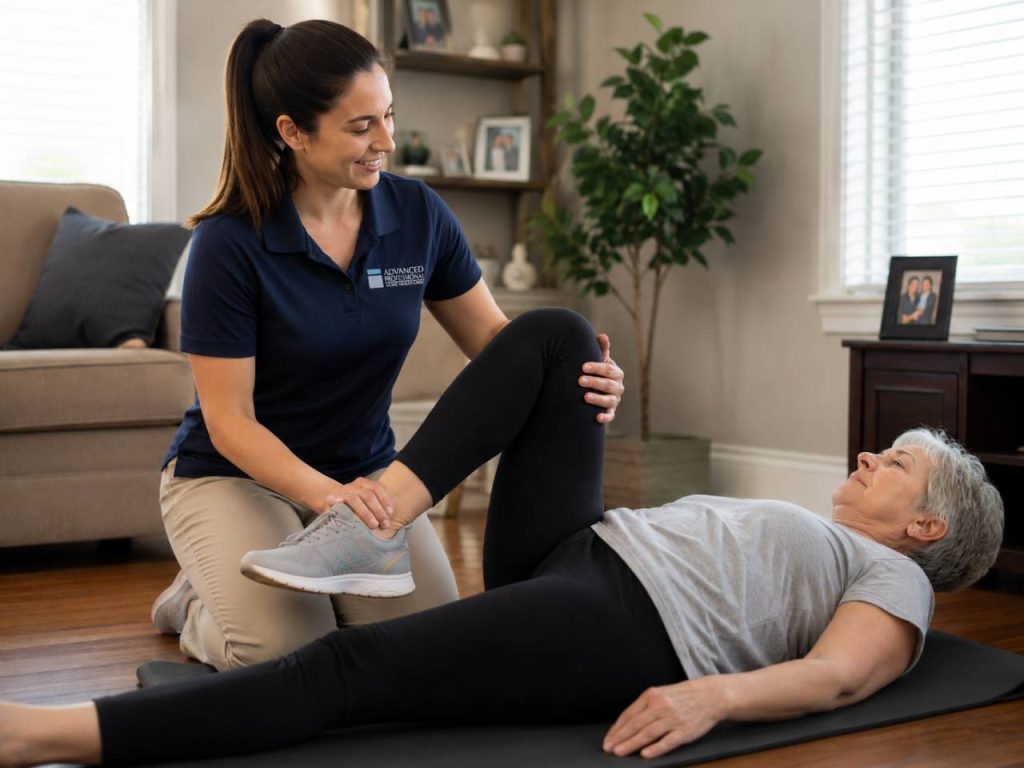
For many families, the benefits of mobile physical therapy at home make recovery far less stressful. Skipping the commute to a clinic, especially with limited mobility, means less pain and more consistent attendance. Home-based care also allows therapists to see exactly how a patient moves in their own environment, which often leads to more accurate treatment adjustments. If you’re wondering whether this option fits your situation, our guide on who qualifies for home-based therapy and Medicare coverage breaks down eligibility and costs in detail.
Recovering after a work injury? Contact Advanced Professional Home Health Care to learn how physician-coordinated home health care and in-home physical therapy may support safe recovery, mobility, and confidence at home.
What to Do After a Workplace Injury
If you’re wondering what to do after a workplace injury, here’s a simple checklist:
- Report the injury to your employer right away.
- See a doctor for a full evaluation.
- Complete the physician referral process to start physical therapy.
- Follow your treatment plan consistently.
- Communicate openly with your care team about pain or setbacks.
Skipping steps, especially early treatment, often leads to longer recovery times and higher risk of chronic pain.
Returning to Work After Injury: What to Expect
Returning to work after injury is rarely an all-or-nothing decision. Many employees start with work restrictions, such as lighter duties or shorter shifts, while their body continues healing. In some cases, physical therapists may provide functional guidance that helps the patient, healthcare provider, and employer understand safe activity limits or modified duties.
This gradual approach may help reduce re-injury risk while supporting a safer, more structured return to normal work duties.
The Role of Taping in Physical Therapy Recovery
Taping is a small but useful tool in recovery. The benefits of taping in physical therapy include added joint support, reduced swelling, and improved awareness of body position during movement. It’s often used alongside exercise, not as a replacement for it.
How APHHC Supports Your Work Injury Recovery Journey
At Advanced Professional Home Health Care, recovery isn’t a one-size-fits-all process. Our licensed therapists build care plans around each patient’s injury, job demands, and home environment. You can browse our full range of home health services to see how nursing, therapy, and personal care work together to support recovery.
If you or a family member is recovering from a workplace injury, our team can help create a plan that supports safe healing and a confident return to daily life. Get in touch with our team to discuss your situation and next steps.
Recovery works best with the right support system. Learn more about who we are and how we care for patients across Michigan. Because every injury and every patient are different, we always start with a full conversation about your goals before building your plan.
Final Thoughts
The benefits of physical therapy after a work injury go well beyond pain relief. From restoring mobility to preventing future injuries, therapy plays a central role in getting back to a normal, active life. With the right team, a personalized treatment plan, and consistent care, many patients can make steady progress toward safer movement and daily independence.
Sources and References
This article was prepared using general guidance from trusted healthcare and workplace safety sources, including Cleveland Clinic, MedlinePlus, OSHA, and Advanced Professional Home Health Care service information. Patients should always follow their healthcare provider’s advice for diagnosis, treatment, therapy timing, and return-to-work decisions.