
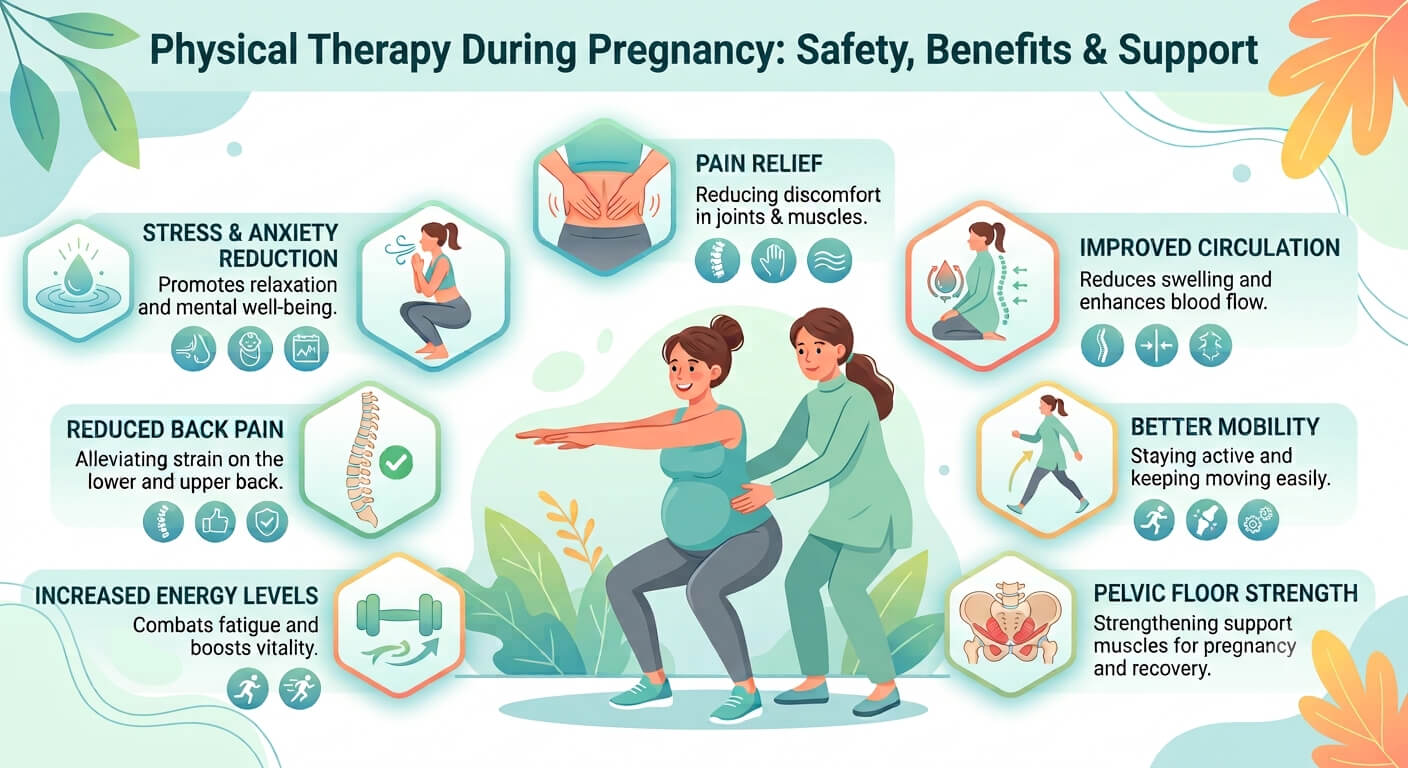
Pregnancy brings exciting changes, but it can also cause physical discomfort. Many women experience back pain, pelvic pain, hip pain, or changes in posture as their bodies adapt. Physical therapy during pregnancy offers a safe, evidence-based approach to managing these challenges when recommended by a healthcare provider.
For most healthy pregnancies, pregnancy physical therapy can reduce pain, improve movement, and help expectant mothers stay active. However, every pregnancy is different. Pregnant patients should always check with their OB/GYN, midwife, or healthcare provider before starting therapy, especially if they have complications, bleeding, dizziness, severe pain, a high-risk pregnancy, or activity restrictions. The American College of Obstetricians and Gynecologists (ACOG) also recommends clinical evaluation before beginning an exercise program during pregnancy.
At Advanced Professional Home Health Care (APHHC), we understand that quality healthcare extends beyond treatment. It includes patient education, care coordination, family support, accessibility, and communication that helps every patient feel informed and confident throughout their healthcare journey.
Is Physical Therapy During Pregnancy Safe? Here’s What You Need to Know
A common question is: Is physical therapy safe during pregnancy?
For most uncomplicated pregnancies, the answer is yes. Licensed physical therapists can adapt therapy plans based on pregnancy status, physician guidance, and individual safety needs. Treatment focuses on improving mobility, reducing discomfort, and supporting healthy movement without placing unnecessary stress on the mother or baby.
Before beginning physical therapy while pregnant, patients should receive clearance from their OB/GYN or healthcare provider. Therapy may need to be delayed or modified if there are concerns such as:
- Vaginal bleeding
- Persistent dizziness
- High blood pressure disorders
- Placenta previa after 26 weeks
- Preterm labor risk
- Cervical insufficiency
- Severe abdominal pain
- Activity restrictions
- Other pregnancy complications
Working closely with obstetric providers ensures therapy remains appropriate throughout pregnancy.
Need guidance? If you’re unsure whether therapy is appropriate, speak with your OB/GYN first. APHHC’s care coordination team can also help families navigate referrals, patient education, and supportive healthcare resources.
Physical Therapy During Pregnancy: How It Supports Health, Comfort, and Better Care
The primary goal of physical therapy during pregnancy is helping women move comfortably while supporting healthy pregnancy changes. Modern prenatal rehabilitation is more than exercise. It combines movement education, posture correction, pain management, breathing techniques, and functional training that improves everyday activities.
A personalized treatment plan may include:
Improving posture and body mechanics
As pregnancy progresses, the growing abdomen shifts the body’s center of gravity. Pregnancy posture physical therapy teaches proper alignment while standing, sitting, lifting, sleeping, and walking to reduce unnecessary strain.
Safe strengthening exercises
Therapists often recommend core exercises during pregnancy physical therapy to strengthen deep abdominal muscles without unsafe movements. Better core stability supports balance and reduces discomfort.
Gentle mobility training
Regular mobility exercises during pregnancy help maintain flexibility, improve circulation, and decrease stiffness in the hips, back, and pelvis.
Education for daily activities
Learning safe movement patterns helps patients continue working, caring for family members, and performing household tasks with less discomfort.
These individualized strategies also improve patient confidence, communication with healthcare teams, and long-term physical function.
The Benefits of Physical Therapy During Pregnancy
The benefits of physical therapy during pregnancy extend well beyond pain relief.
Women often experience improvements in:
- Reduced lower back pain
- Better posture
- Improved balance
- Increased flexibility
- Stronger pelvic floor muscles
- Easier daily movement
- Better sleep comfort
- Improved preparation for labor
- Faster postpartum recovery
For healthcare organizations and home healthcare providers, educating patients about conservative treatment options can improve patient experience, encourage early intervention, and reduce unnecessary discomfort throughout pregnancy.
Care Tip: Speak with your OB/GYN or healthcare provider about whether home-based physical therapy is appropriate for you. If a physician referral is recommended, APHHC can help coordinate supportive physical therapy services at home.
Physical Therapy for Back Pain During Pregnancy: One of the Most Common Reasons for Referral
Back pain affects many expectant mothers. Physical therapy for back pain during pregnancy focuses on identifying the source of pain rather than simply masking symptoms.
Treatment may include:
Pregnancy back pain physical therapy
Therapists evaluate posture, muscle weakness, joint mobility, and movement habits before creating a personalized care plan.
Common interventions include:
- Gentle stretching
- Postural education
- Core stabilization
- Manual therapy when appropriate
- Heat or cold guidance
- Safe home exercises
These techniques help reduce pressure on the spine while improving overall function.
Finding Relief from Pelvic, Hip, and Round Ligament Pain
As ligaments soften and joints become more flexible, many women develop pelvic discomfort.
Physical therapy for pregnancy pelvic pain
Targeted exercises help stabilize the pelvis while improving muscle coordination and movement patterns.
Hip pain during pregnancy physical therapy
Hip pain often develops because of changing posture and altered walking patterns. Strengthening surrounding muscles helps reduce joint stress.
Physical therapy for round ligament pain
Although round ligament pain is common during the second trimester, therapists teach movement strategies that reduce sudden stretching and improve comfort during daily activities.
Pelvic Floor Physical Therapy During Pregnancy Can Prepare the Body for Birth
The pelvic floor supports the bladder, bowel, uterus, and growing baby.
Pelvic floor physical therapy during pregnancy focuses on:
- Muscle awareness
- Proper relaxation
- Safe strengthening
- Breathing coordination
- Labor preparation
- Recovery education
Contrary to popular belief, therapy isn’t only about strengthening. Many patients actually benefit from learning how to relax overly tight pelvic floor muscles.
Physical Therapy for Sciatica During Pregnancy
Sciatic nerve irritation may cause pain that travels from the lower back into the buttock or leg.
Physical therapy for sciatica during pregnancy often includes:
- Gentle stretching
- Posture correction
- Nerve mobility exercises
- Sleeping position education
- Activity modification
Early treatment may prevent symptoms from becoming more severe.
Can Aquatic Physical Therapy During Pregnancy Help?
For women struggling with weight-bearing discomfort, aquatic physical therapy during pregnancy offers an excellent low-impact option.
Water naturally supports body weight while reducing stress on joints.
Benefits include:
- Easier movement
- Reduced swelling
- Improved circulation
- Less joint pressure
- Better exercise tolerance
Many women who cannot comfortably exercise on land find aquatic therapy much more manageable.
What Happens During Prenatal Physical Therapy?
A typical prenatal physical therapy visit begins with a comprehensive evaluation.
Your therapist may assess:
- Posture
- Walking pattern
- Muscle strength
- Joint mobility
- Balance
- Pain triggers
- Functional limitations
- Daily activities
Treatment is customized for each trimester and adjusted as pregnancy progresses.
Healthcare Coordination Matters Throughout Pregnancy

Successful pregnancy care involves teamwork. OB/GYN providers, physical therapists, primary care physicians, nurses, home healthcare professionals, and family caregivers all play important roles.
At Advanced Professional Home Health Care, coordinated communication supports safer care, better patient education, and improved healthcare experiences for patients and families. Whether care occurs in healthcare offices, home healthcare administration settings, or community-based care programs, thoughtful coordination improves outcomes.
APHHC supports patients through physician referral coordination:
- Clinical support team collaboration
- Home health communication
- Family education
- Insurance support
- Personalized care planning
These patient-centered services improve communication, trust, accessibility, care coordination, and long-term service quality.
Looking for additional support? Explore services such as Home Healthcare Services, Care Coordination, or Patient Support Services to learn how coordinated care can improve the patient journey.
Practical Tips for Patients and Families
Always remember these important recommendations:
- Obtain medical clearance before starting therapy.
- Report any new symptoms immediately.
- Stay hydrated.
- Wear supportive footwear.
- Perform only therapist-approved exercises.
- Avoid activities that cause pain.
- Follow your individualized treatment plan.
- Attend regular prenatal appointments.
Families can also support expectant mothers by encouraging safe movement, helping with physically demanding tasks, and maintaining open communication with healthcare providers.
Questions about care planning? Contact Advanced Professional Home Health Care to learn more about patient resources, healthcare consultation, family care support, and community care services available in the local communities served by APHHC.
Medical Disclaimer
This article is for educational purposes only and should not be used as a substitute for professional medical advice, diagnosis, or treatment. Every pregnancy is different, and physical therapy or exercise may not be appropriate for everyone. Always consult your OB/GYN, midwife, physician, or qualified healthcare provider before starting physical therapy during pregnancy, especially if you have pain, bleeding, dizziness, a high-risk pregnancy, pregnancy complications, or activity restrictions.